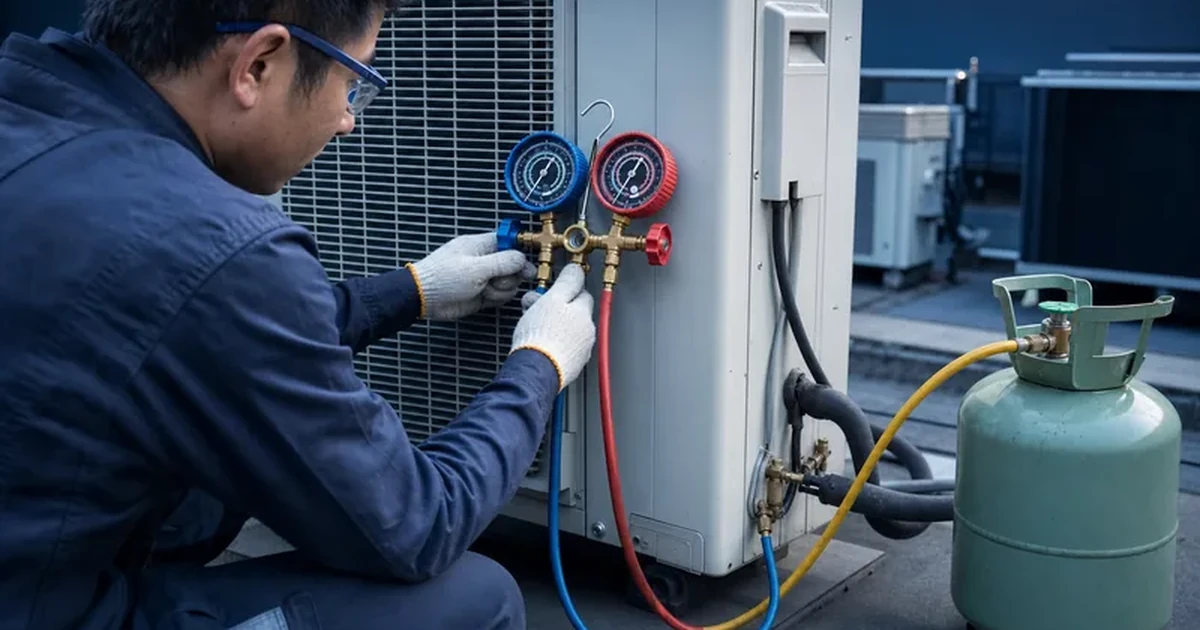
Vacuum Pressure Gauge Selection: Compound Ranges and Limits
Vacuum pressure gauge selection: gauge, vacuum, compound and absolute references, the right sensing element per vacuum level, and where a dial stops working.
Find technical blog articles, downloadable PDF guides, and brochure-style product entrances for pressure gauges, thermometers, transmitters, diaphragm seals, and application-specific instruments.
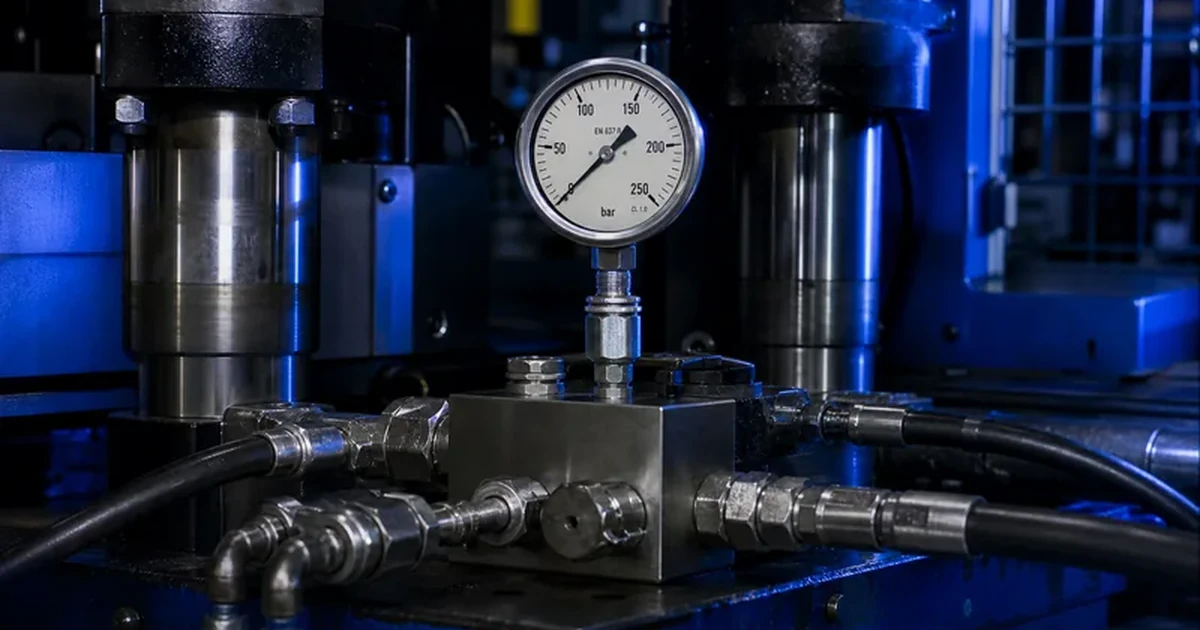
Pressure gauge accuracy class selection: what EN 837-1 classes permit, how span and working point change the real error, and which class each duty needs.

Calculate pressure gauge range step by step: divide maximum pressure by 0.75 or 0.65, round up to a standard range, then check the working point and accuracy.
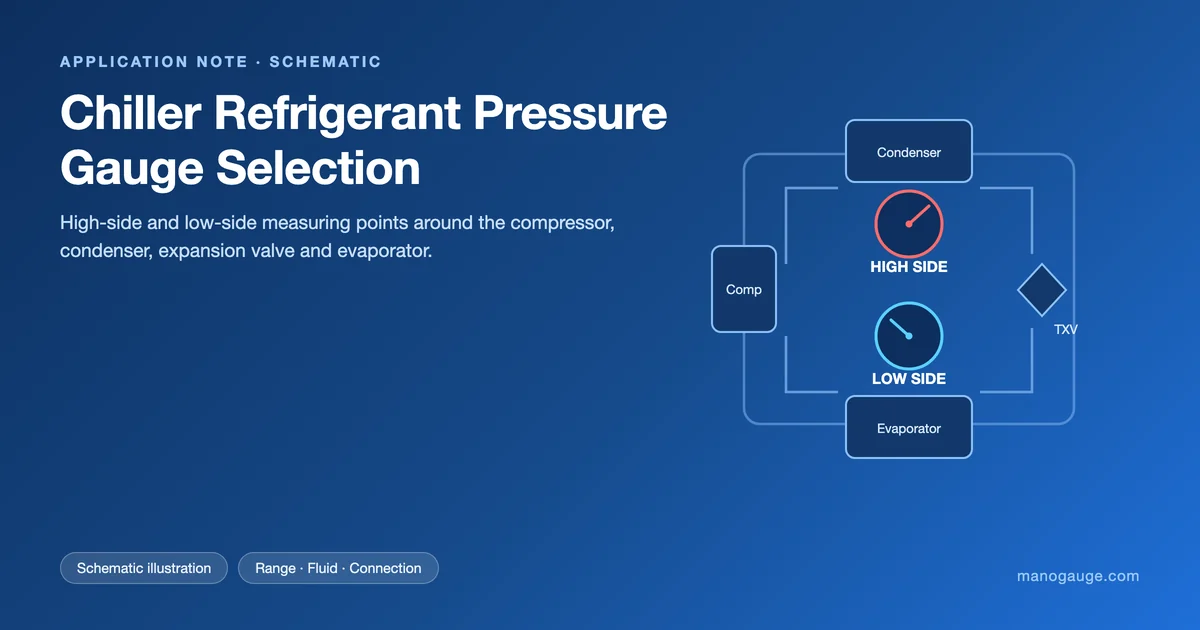
Select high- and low-side chiller refrigerant pressure gauges for R-134a, R-410A, R-407C and CO2 by range, materials and connections.
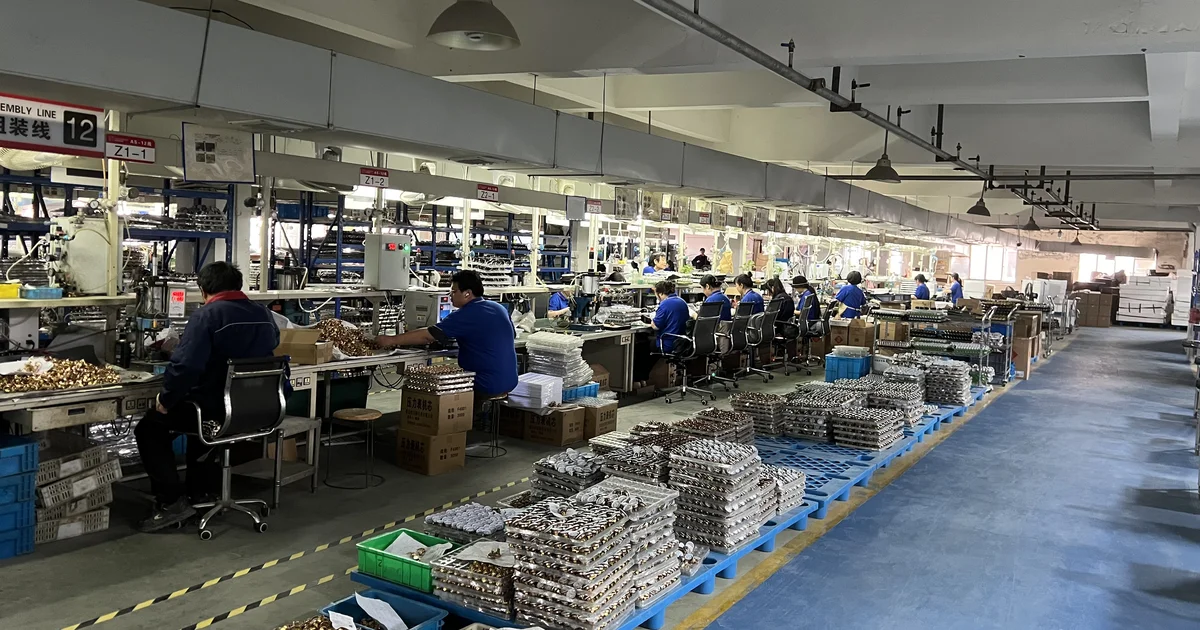
Pressure gauge FAT checklist: catch 5 common acceptance failures in range, accuracy, threads, leakage and calibration documents before shipment.
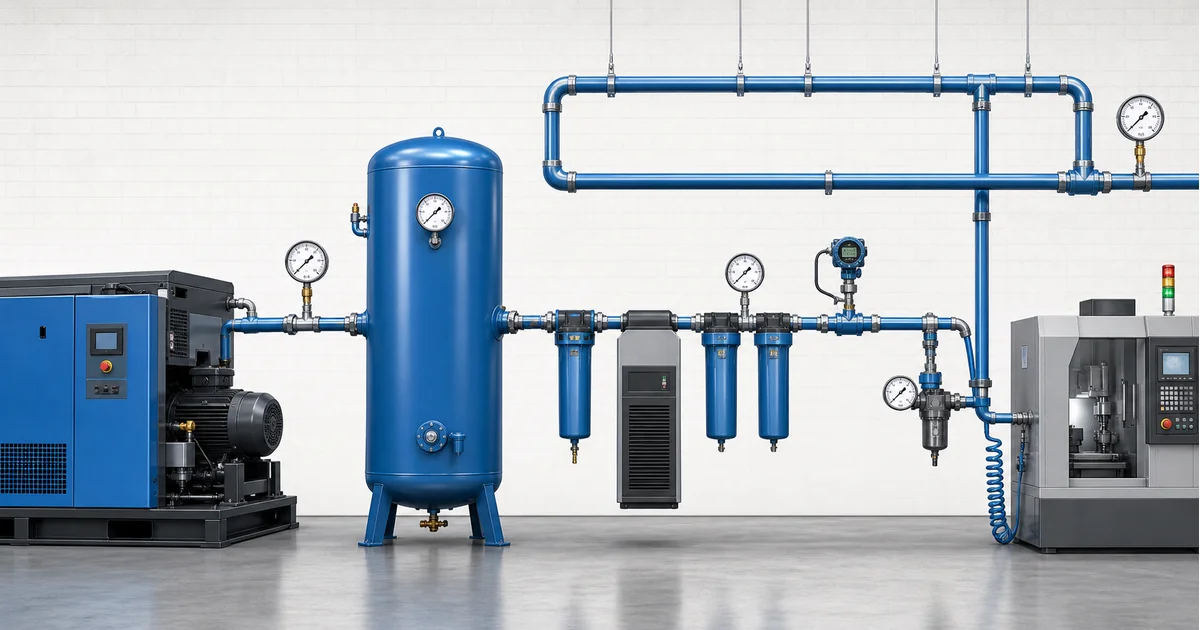
Choose compressed-air gauges in bar or psi for compressors, receivers, filters and point-of-use regulators; compare range, accuracy and moisture risks.
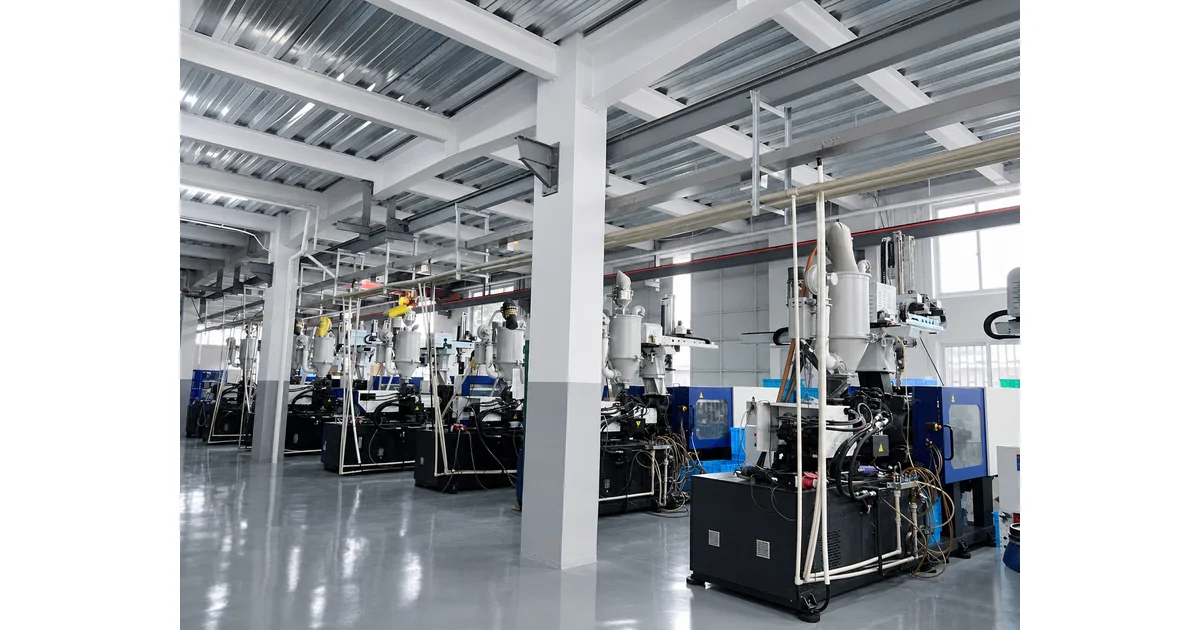
How to select a pulp and paper pressure gauge for stock, white water, steam and coating lines—covering fibre plugging, diaphragm seals, range and wetted materials.

Select district-heating gauges for primary and secondary loops by pressure range, hot-water temperature, strainer DP points and siphon needs.
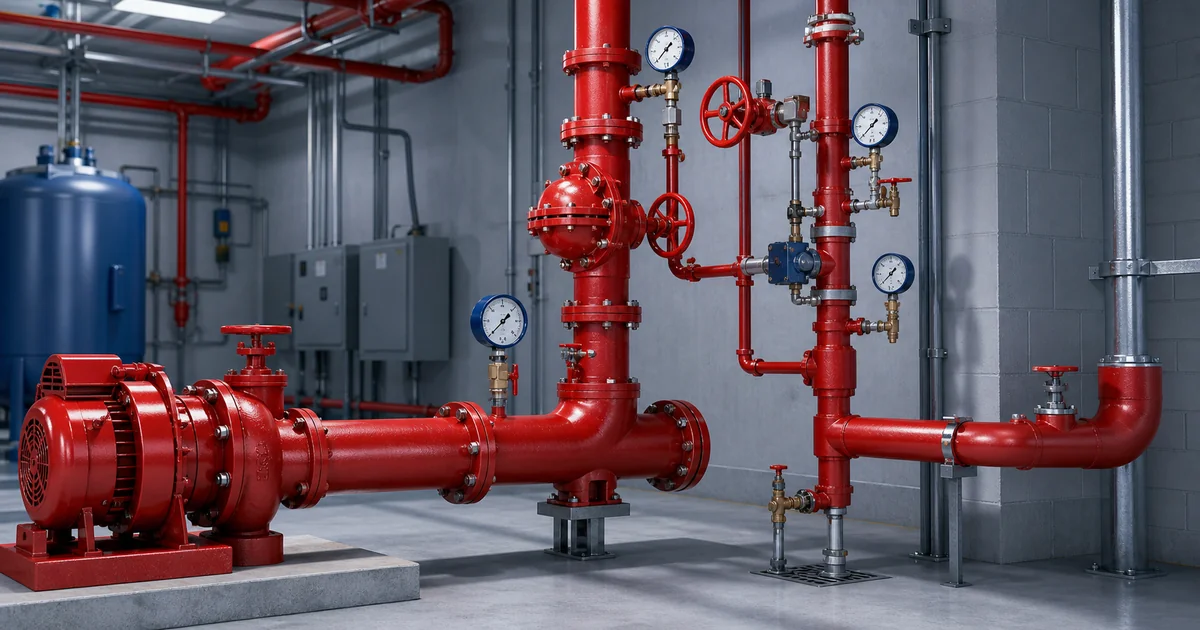
Choose a fire sprinkler pressure gauge for wet, dry and preaction systems: check UL 393 or FM approval, range, NFPA 25 inspection and replacement rules.
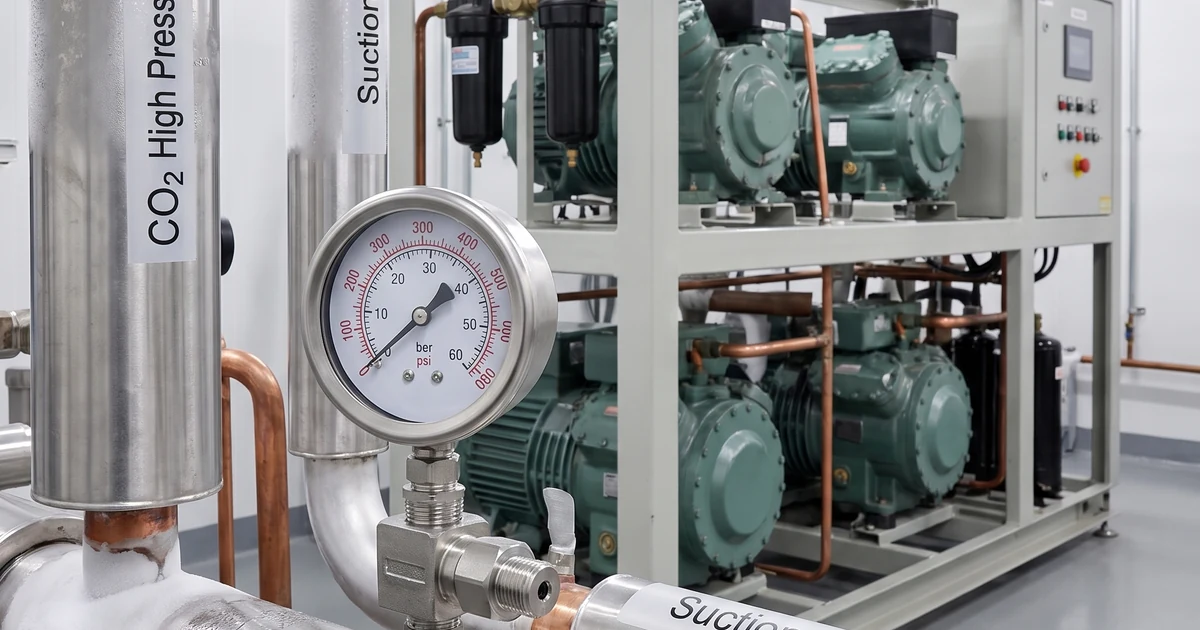
CO2 transcritical refrigeration pressure gauge selection for R744 racks: high-side pressure, flash tank and suction points, materials and safety cases.
Choose a solid-front pressure gauge for high-pressure gas and steam. Review baffle and blow-out-back design, ASME B40.100, EN 837-1 S3 and mounting risks.
Chilled water DP monitoring for HVAC plants: where to place gauges and DP transmitters, how to size the range, and what the readings cannot prove.
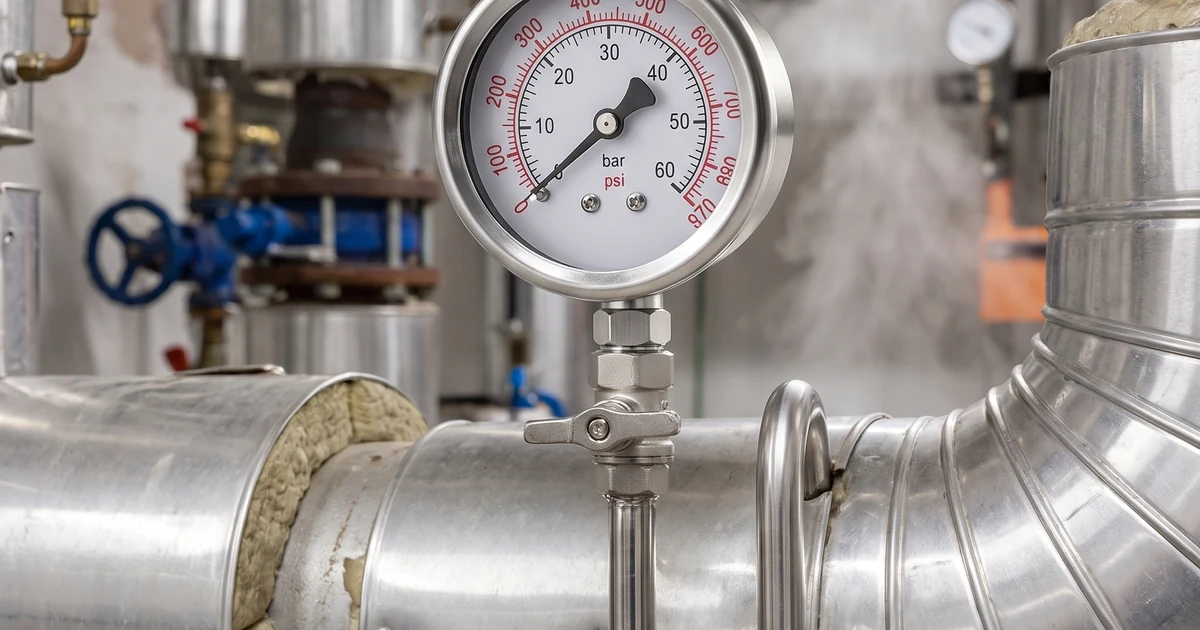
Why a steam pressure gauge needs a siphon: how the condensate barrier protects the Bourdon tube, pigtail vs coil vs U-type, filling and range checks.

Nitrogen blanketing pressure gauge selection for low-pressure storage tanks: range, capsule gauges, regulators, vents, oxygen-deficiency risk and RFQ checks.

Size a relief valve pressure gauge around operating and set pressure, choose where the gauge belongs, and check backpressure, rupture discs and vibration.
Dosing skid gauge selection: set range from pump shutoff and relief pressure, pick wetted materials and diaphragm seals, handle pulsation and clogging risk.

Select an oxygen pressure gauge for clean service: verify oil-free cleaning, compatible wetted materials, range, packaging and installation safety.
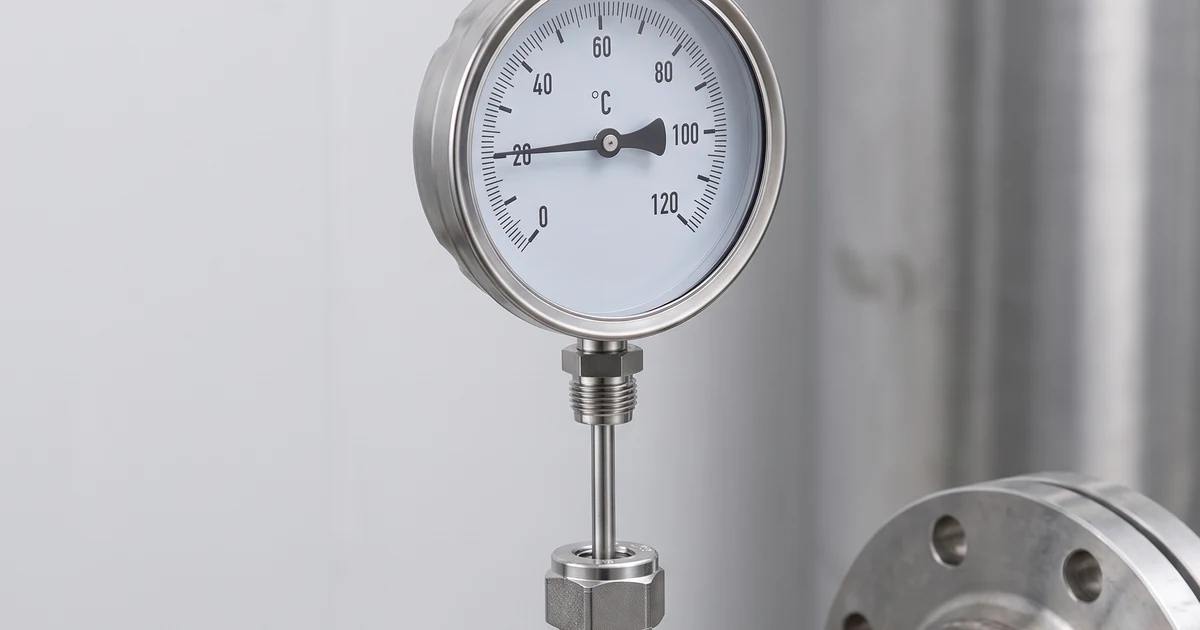
Select a bimetal thermometer and thermowell for steam, hot water or thermal oil: compare 316L materials, insertion length, temperature and vibration.
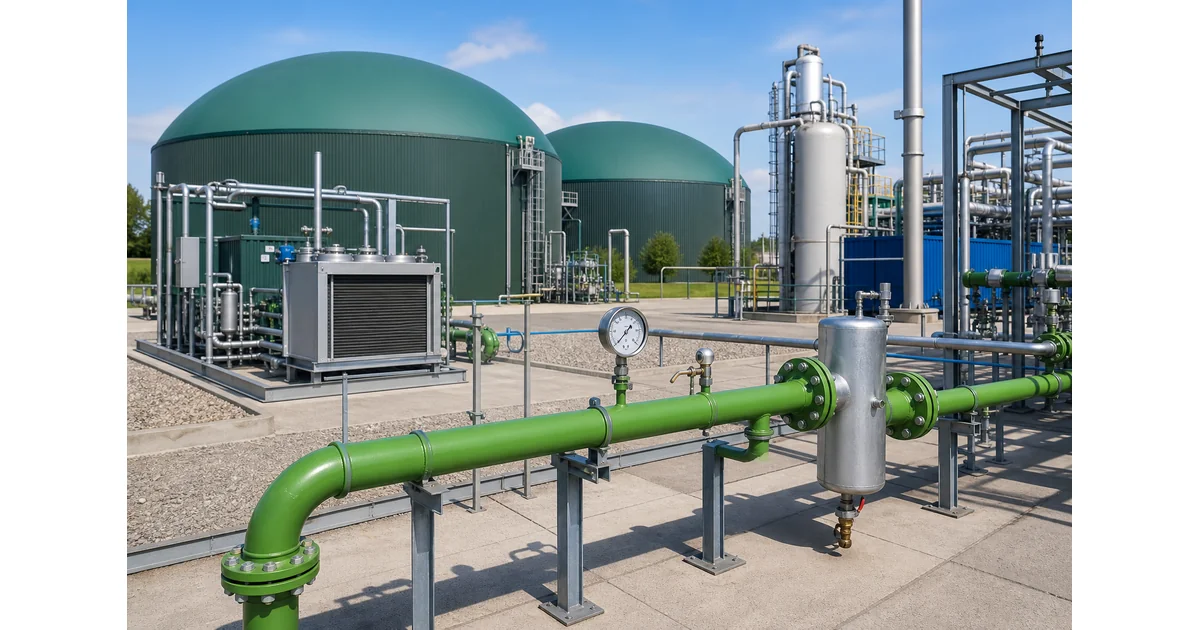
How to choose a biogas pressure gauge for digesters and biomethane skids: check H2S corrosion, condensate, low-pressure range, materials and installation.
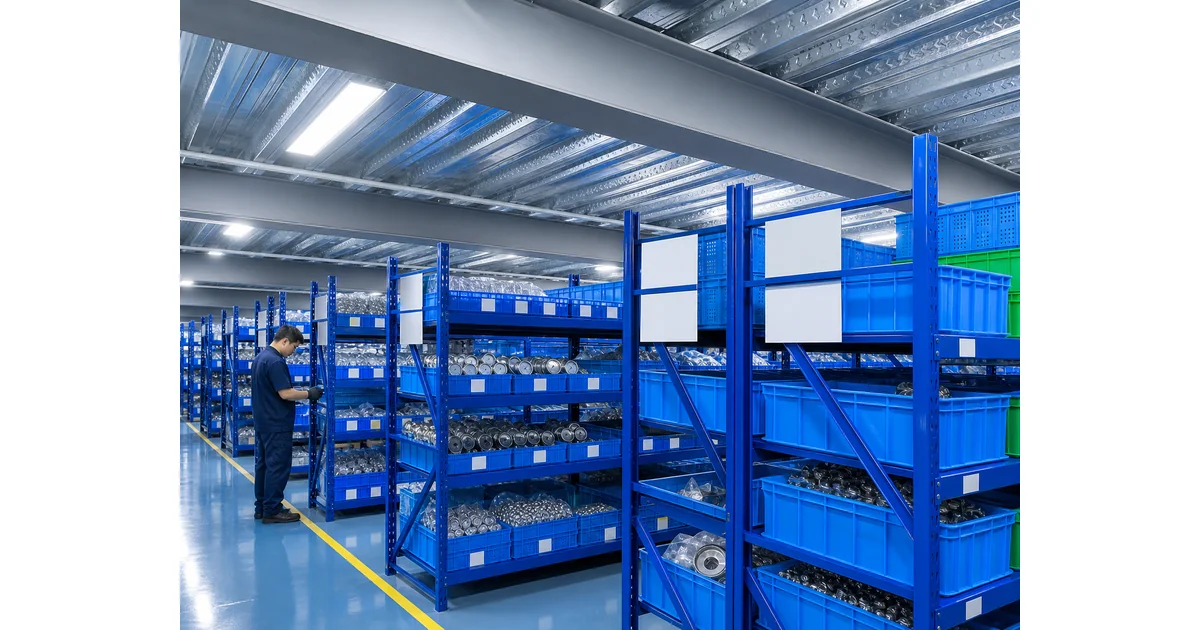
Choose a filter differential pressure gauge from clean DP, changeout DP and flow: DP span, alarm setting, port layout, wetted materials and cleaning limits.

Pressure gauge overpressure protection guide for pumps, water hammer, pulsation, snubbers, pressure limiters, safety cases and RFQ checks.
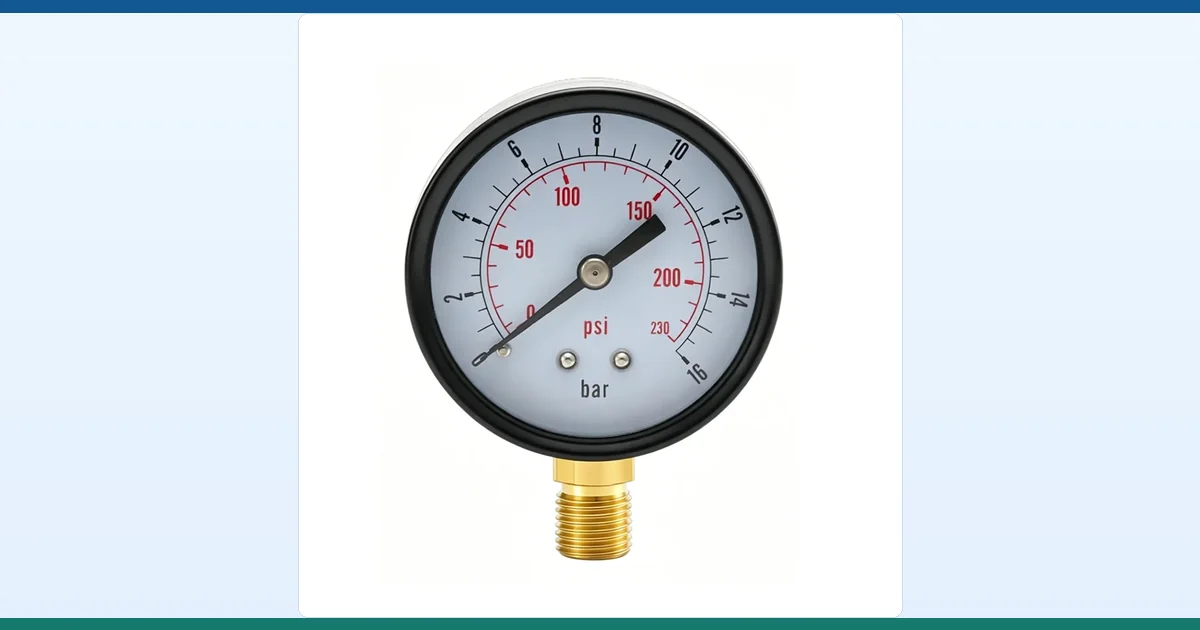
EN 837-1 explained for buyers: accuracy class, S1/S2/S3 safety pattern, range rules and ASME B40.100 comparison — plus the evidence to request before you place the order.
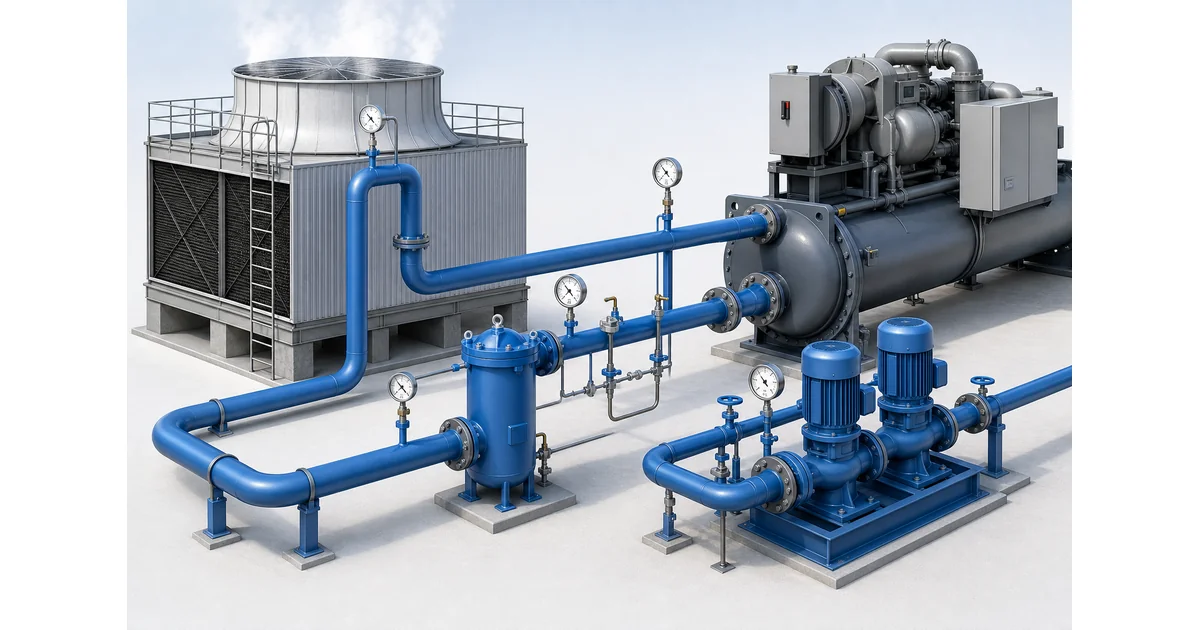
Cooling tower pressure gauge monitoring for condenser water loops: gauge points, strainer DP, side-stream filters, materials and range selection.
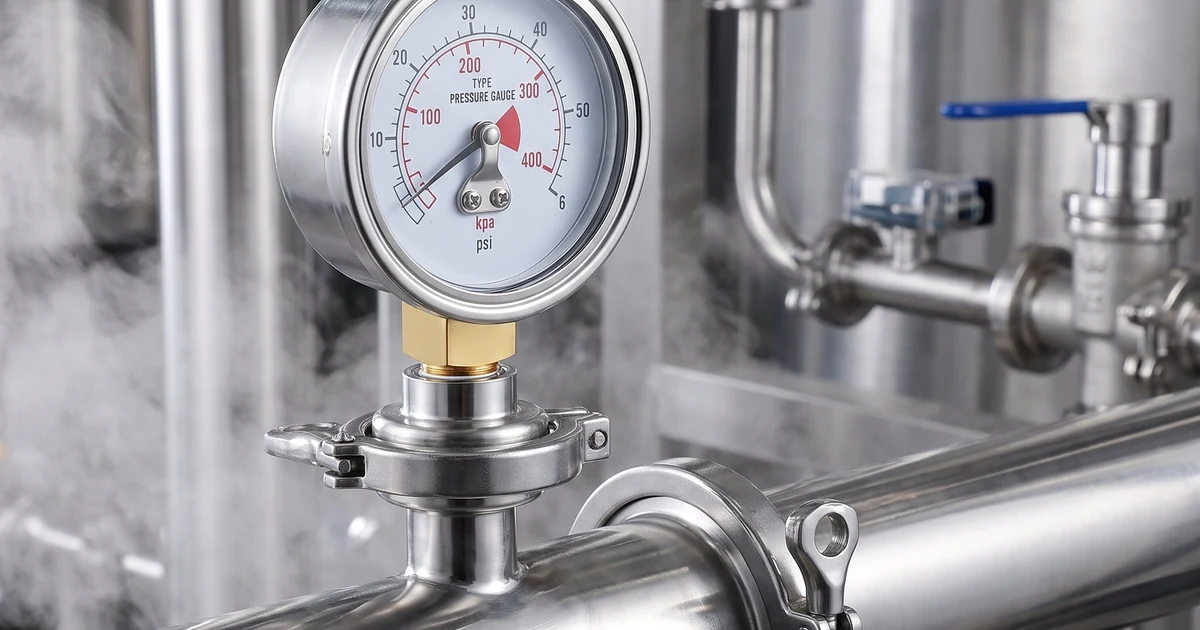
Clean steam pressure gauge selection for pharmaceutical SIP: wetted materials, sanitary connections, calibration, monitoring points and RFQ checklist.

Pressure gauge supplier audit checklist with 10 evidence checks: ISO 9001 scope, EN 837, ASME B40.100, calibration traceability, sample testing and material certificates.
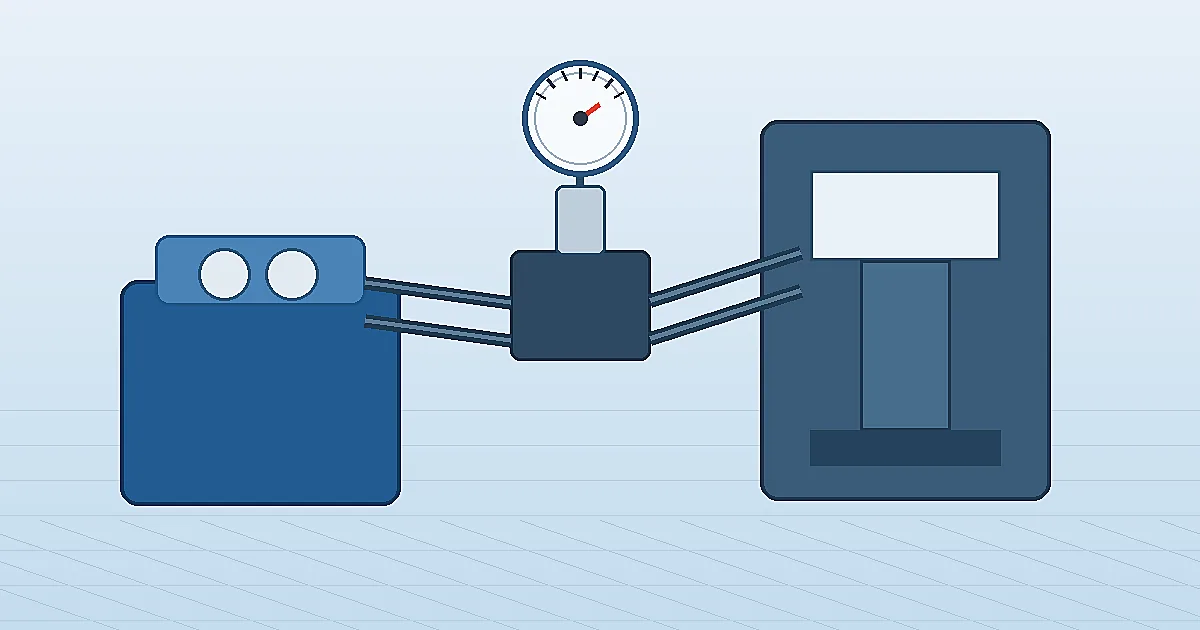
Hydraulic pressure gauge selection for presses, power units and manifolds: 0-600 bar ranges, glycerine fill vs snubbers, SAE/BSP/NPT ports and fluid checks.
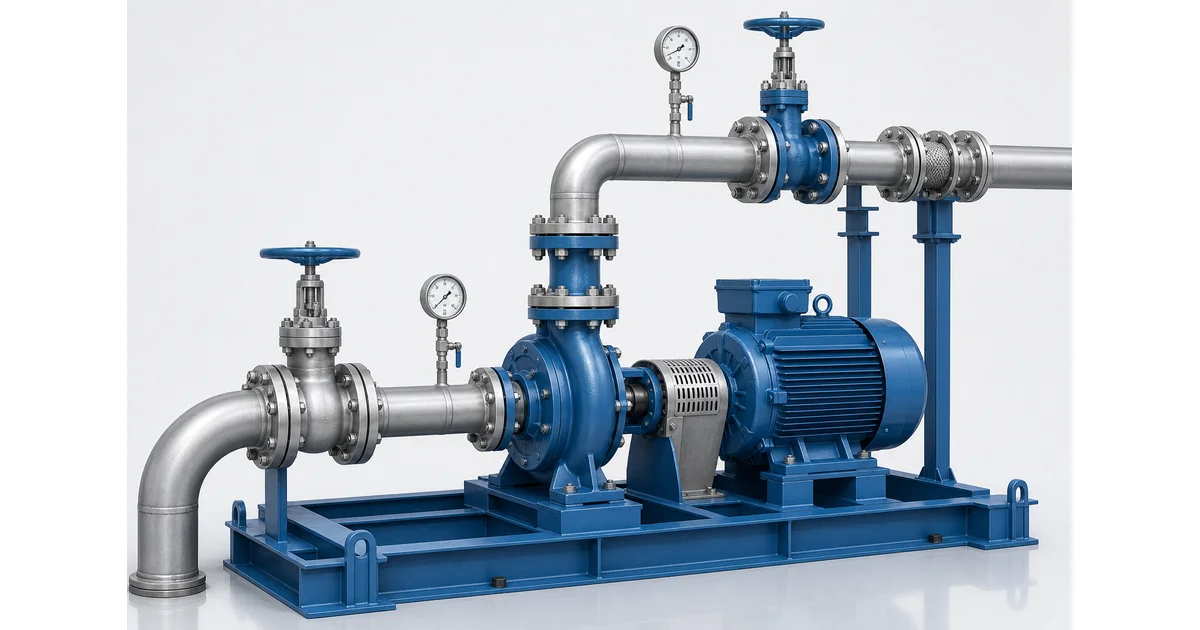
Select centrifugal pump pressure gauges for suction and discharge: size the range from the pump curve, then check vibration, cavitation, materials and isolation.

Industrial heat pump pressure monitoring for retrofits: gauge and transmitter selection, range, materials, installation points and commissioning checks.
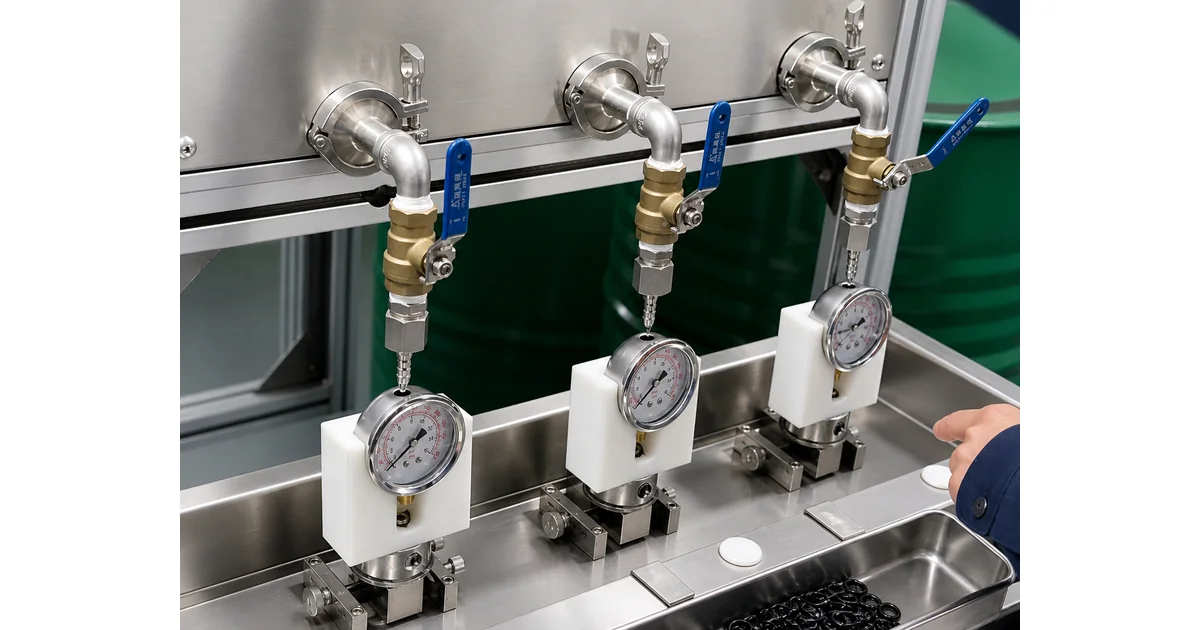
Choose a pressure gauge snubber for pump, compressor and hydraulic pulsation. Compare damping, response time, blockage risk and compatibility.
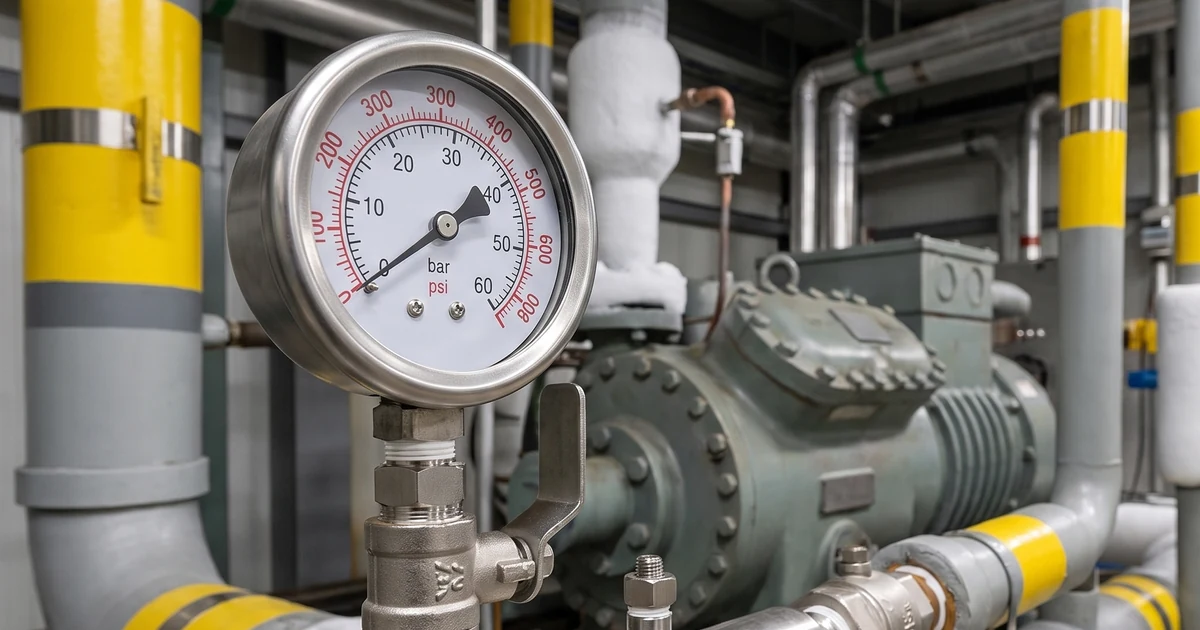
Ammonia refrigeration pressure gauge guide for R717 cold storage: suction, discharge, oil, defrost ranges, material compatibility and safety checks.
Choose a pressure gauge dial size by reading distance, panel space, vibration and accuracy class. Compare 40, 63, 100 and 150 mm.
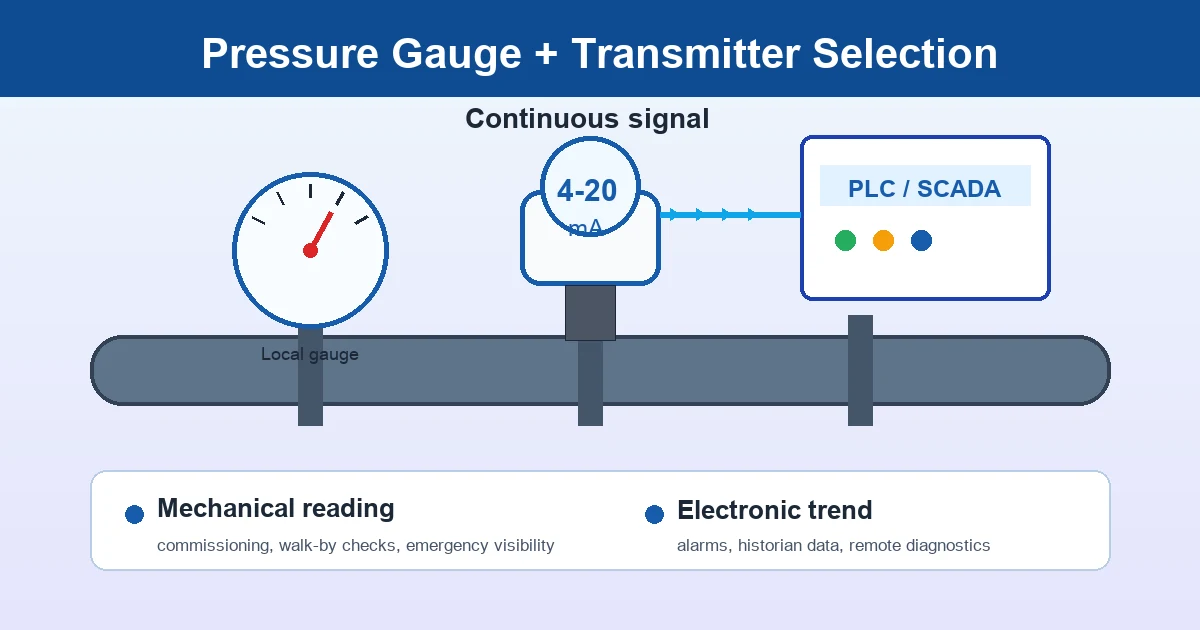
Pressure transmitter vs pressure gauge: answer 7 selection questions for local indication, 4–20 mA, PLC/SCADA alarms, accuracy, range and maintenance.
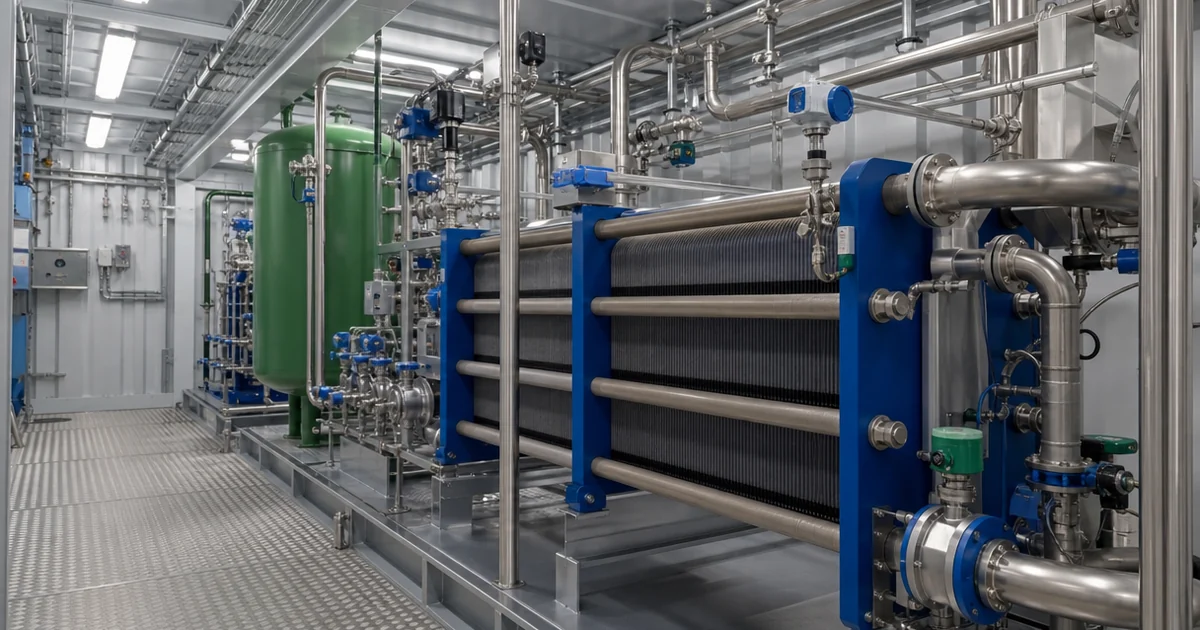
Compare PEM and alkaline electrolyzer pressure monitoring: gauge and transmitter locations, hydrogen and oxygen compatibility, isolation, alarms and limits.
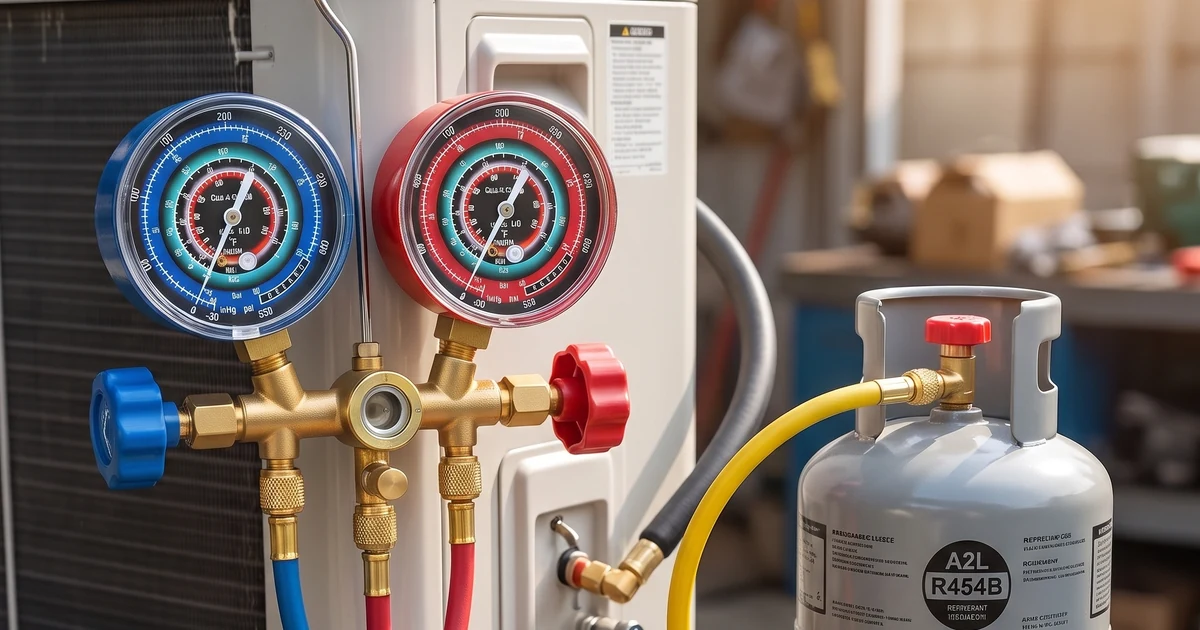
A2L R-454B refrigerant pressure gauge selection for HVAC service: manifold gauge use, PT chart checks, service ports, gauge range and safe workflow.
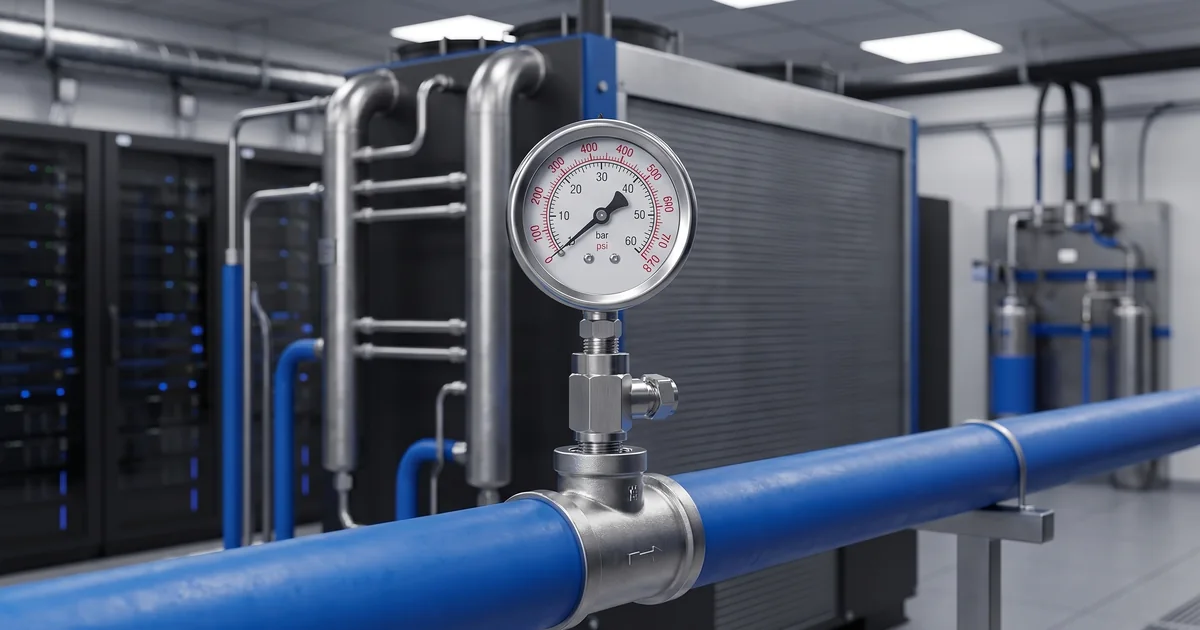
Specify CDU pressure gauges and transmitters for liquid cooling: monitor supply/return pressure, rack DP and filter loading for leak warnings.

Cleanroom differential pressure monitoring: the 10-15 Pa cascade, airlock and HEPA points, low-range DP gauge choice, alarm limits and calibration records.

Step-by-step pressure gauge installation: mounting position, when a siphon or snubber is needed, NPT/BSP sealing torque and EN 837-2 commissioning checks.
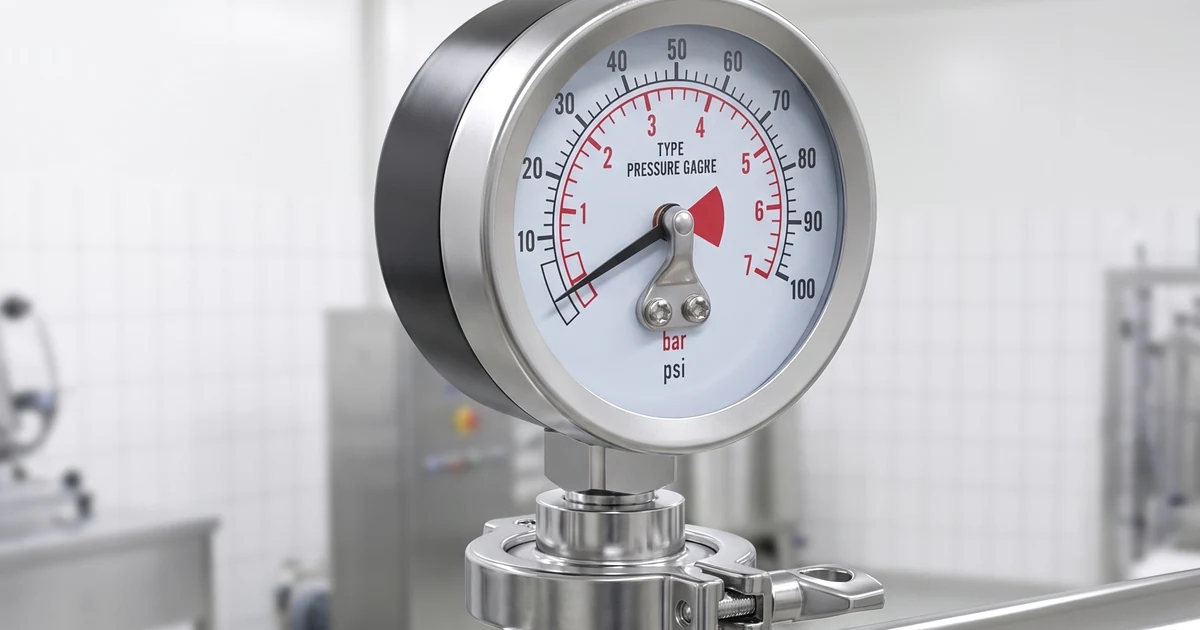
Sanitary pressure gauge selection for CIP/SIP dairy, beverage and biopharma lines: 3-A and EHEDG scope, FDA wetted materials and tri-clamp connections.

Troubleshoot 7 pressure gauge failure symptoms: broken Bourdon tubes, stuck pointers, zero drift, pulsation, fogging and corrosion—with practical checks and fixes.

Select a differential pressure gauge for filters and process lines: compare DP range, static pressure, overpressure protection, accuracy and installation.
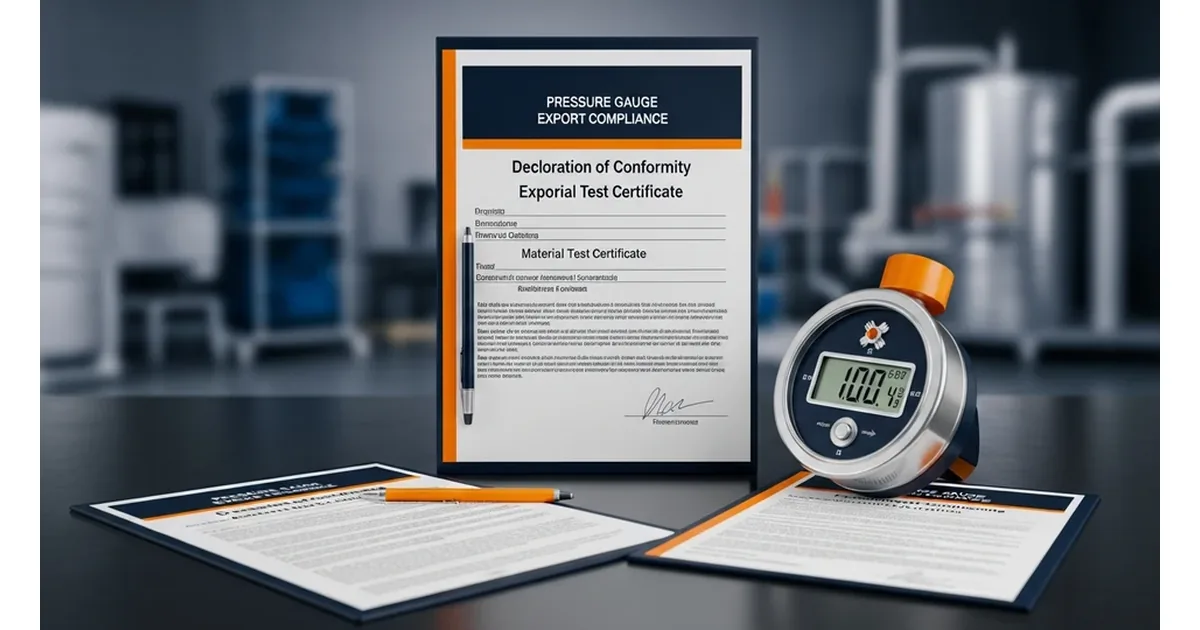
Pressure gauge export certifications explained: CE/PED 2014/68/EU, ASME B40.100, GOST R, JIS B7505, 3-A and ATEX/IECEx scope and required documents.
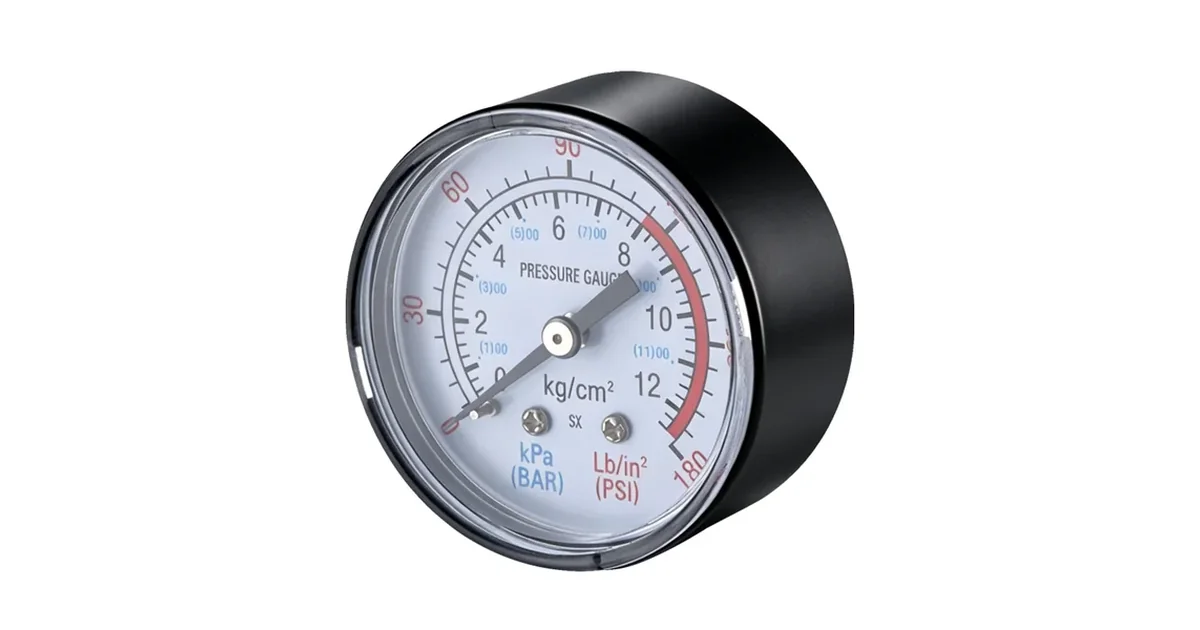
Select an industrial pressure gauge for pumps, compressors, hydraulics and process lines by range, medium, wetted material, accuracy and connection.
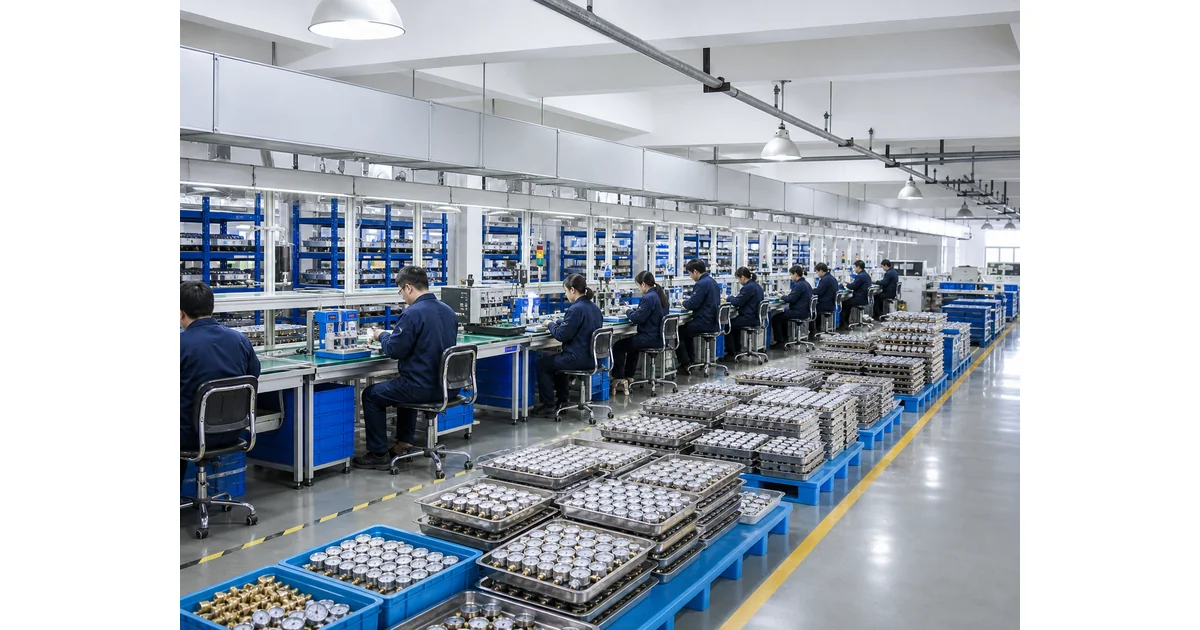
Compare Bourdon tube, diaphragm and capsule pressure gauges by range, media, response and contamination risk before specifying a gauge.
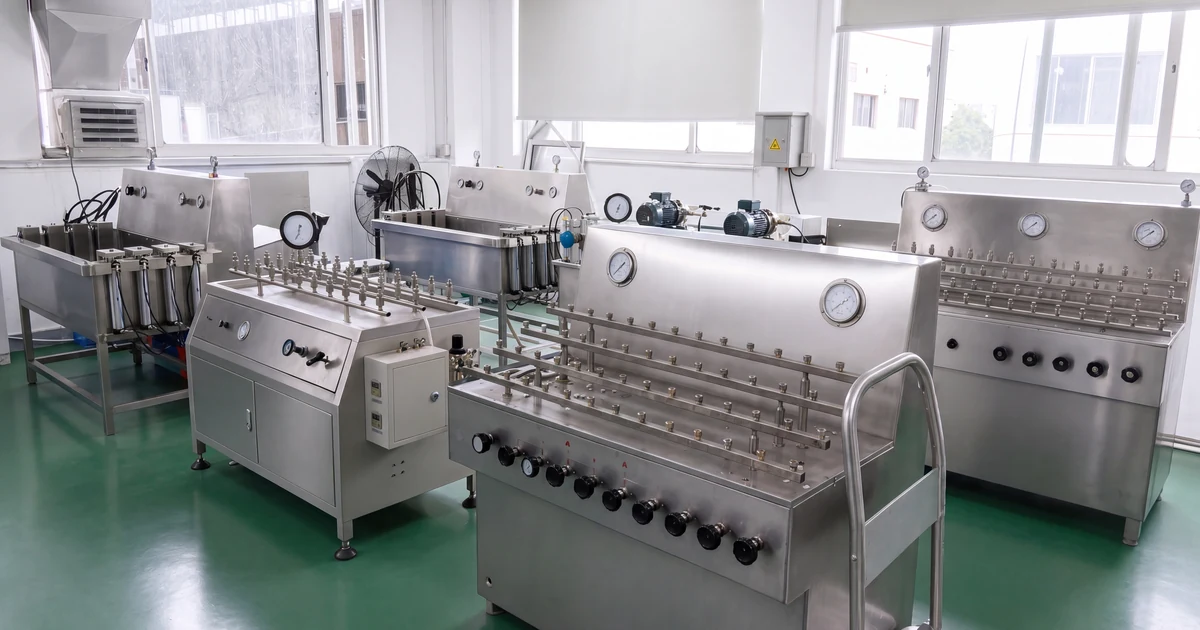
Dry vs liquid-filled pressure gauges: compare vibration, pulsation, temperature, readability and maintenance in 7 practical checks before you specify.

316L vs brass pressure gauge wetted parts compared for corrosion risk in water, steam, ammonia, seawater, chlorides, CIP/SIP cleaning and diaphragm seals.
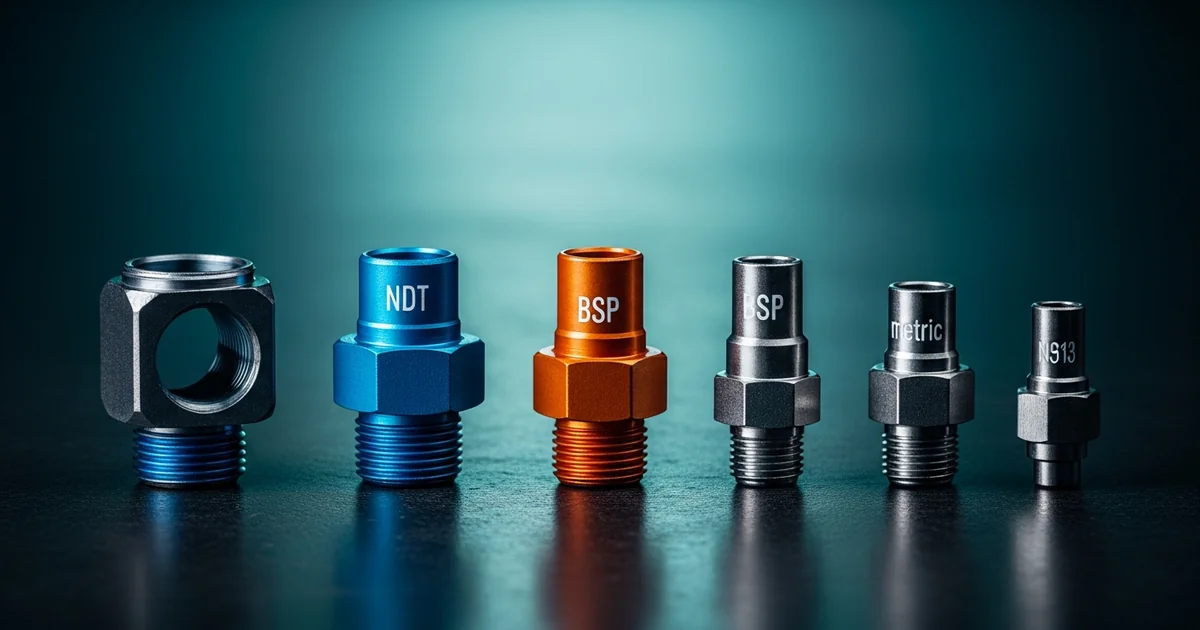
Pressure gauge thread size guide: compare G1/2, 1/2 NPT, BSPT, BSPP and metric threads, including sealing, fit and RFQ checks.
Download practical pressure gauge guides for selection, threads, materials, unit conversion, installation, reading, troubleshooting, diaphragm seals and OEM customization.
Range, accuracy, dial size, connection, material and filling checks for practical pressure gauge selection.
Reference for G/BSP, NPT, BSPT, PT and metric pressure gauge connections and sealing methods.
Wetted parts, case, window, movement and connection material notes for industrial gauge buyers.
Comparison of filled and dry gauges for vibration, pulsation, reading stability and maintenance.
Selection notes for corrosive, viscous, sanitary-adjacent and clogging media using diaphragm seals.
Quick conversion reference for bar, psi, kPa, MPa, mmHg, kgf/cm2 and atm.
Beginner guide to pressure gauge dial scales, units, markings and common reading mistakes.
Mounting, sealing, snubber, calibration and inspection checks before and after installation.
Common pressure gauge symptoms, likely causes and practical fix pointers for maintenance teams.
Quick reference for dial sizes, standard ranges, accuracy classes, filling and IP considerations.
Custom dial, case, window, connection, filling, mounting and OEM/ODM capability overview.
Product and capability entrances for buyers comparing industrial gauges, thermometers, diaphragm seals, and OEM/ODM support.
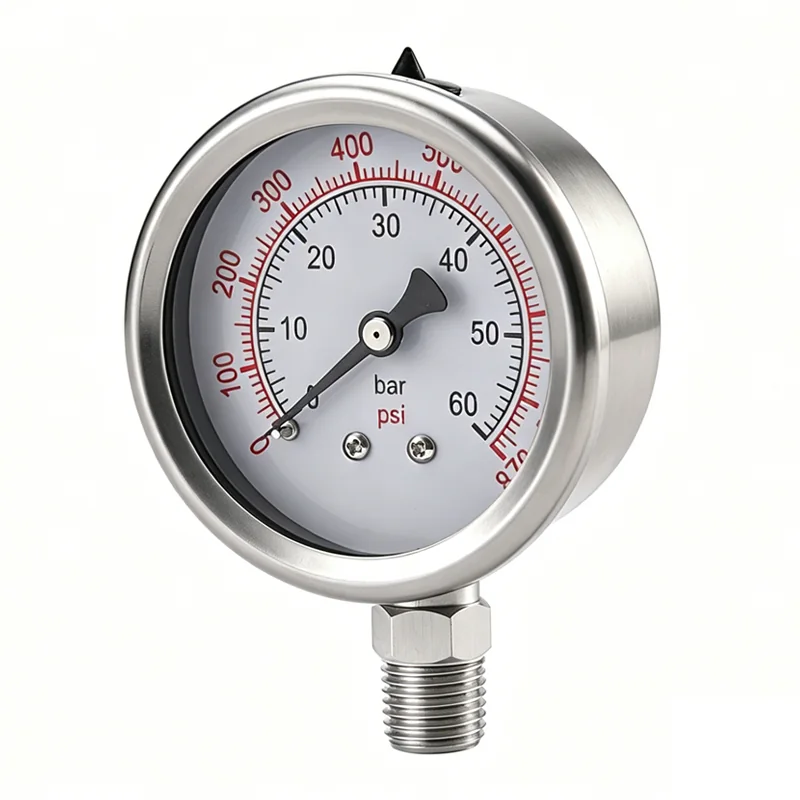
Browse stainless steel, liquid-filled, diaphragm, digital, differential, vacuum, and application-specific pressure gauges.
View page →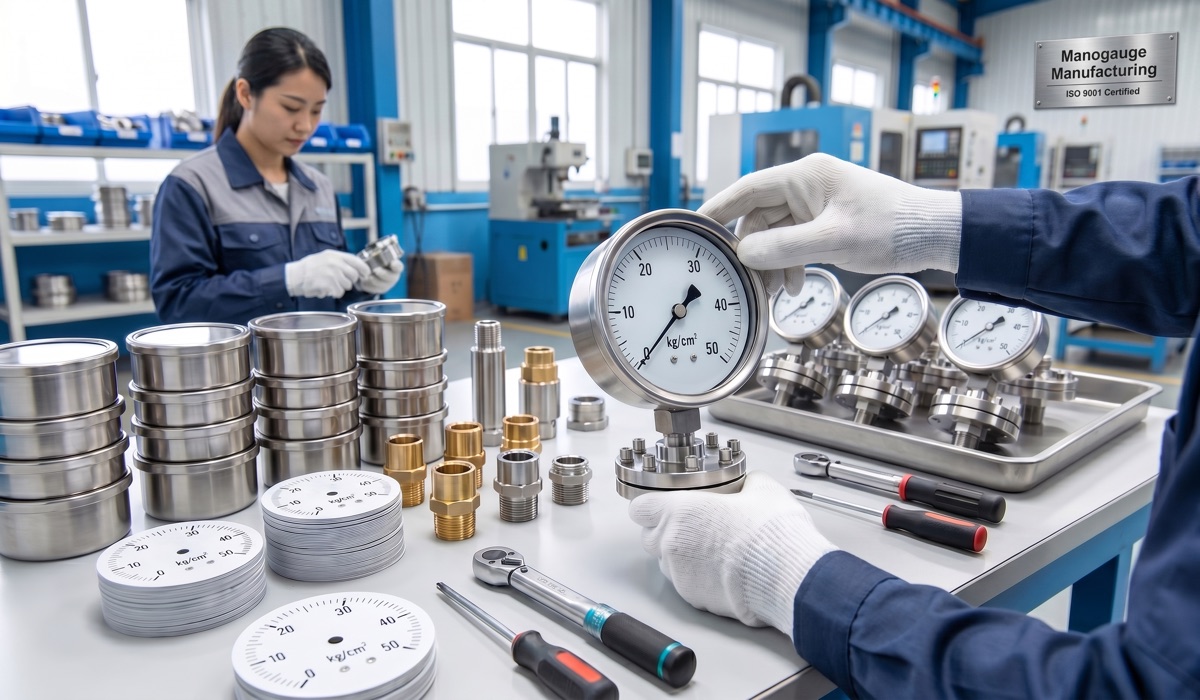
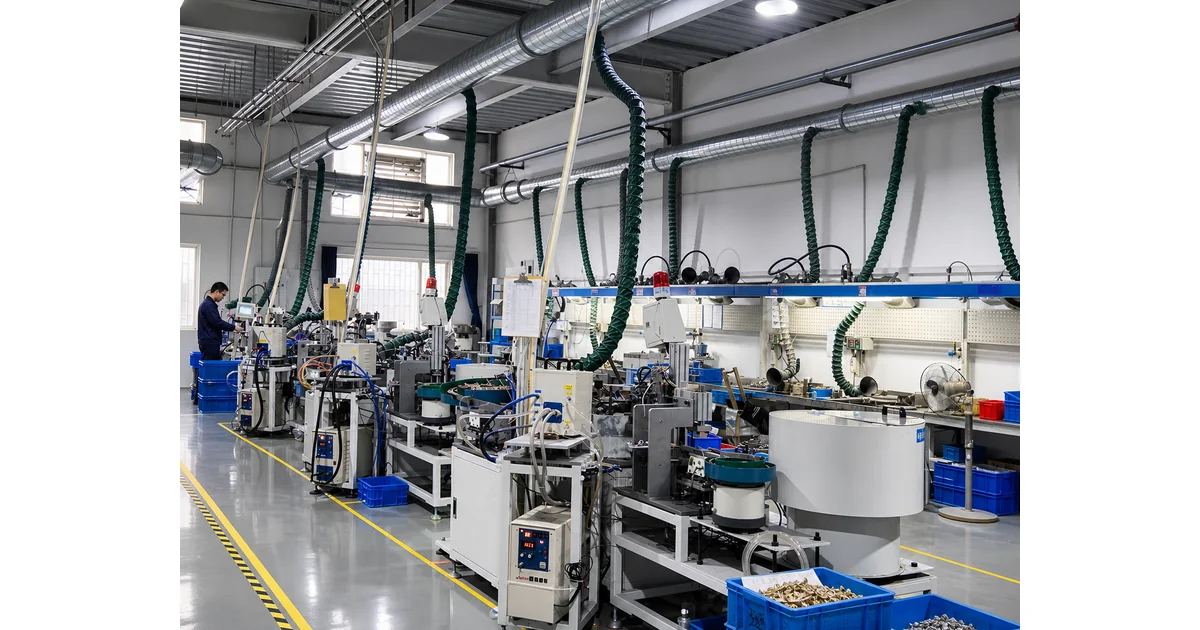
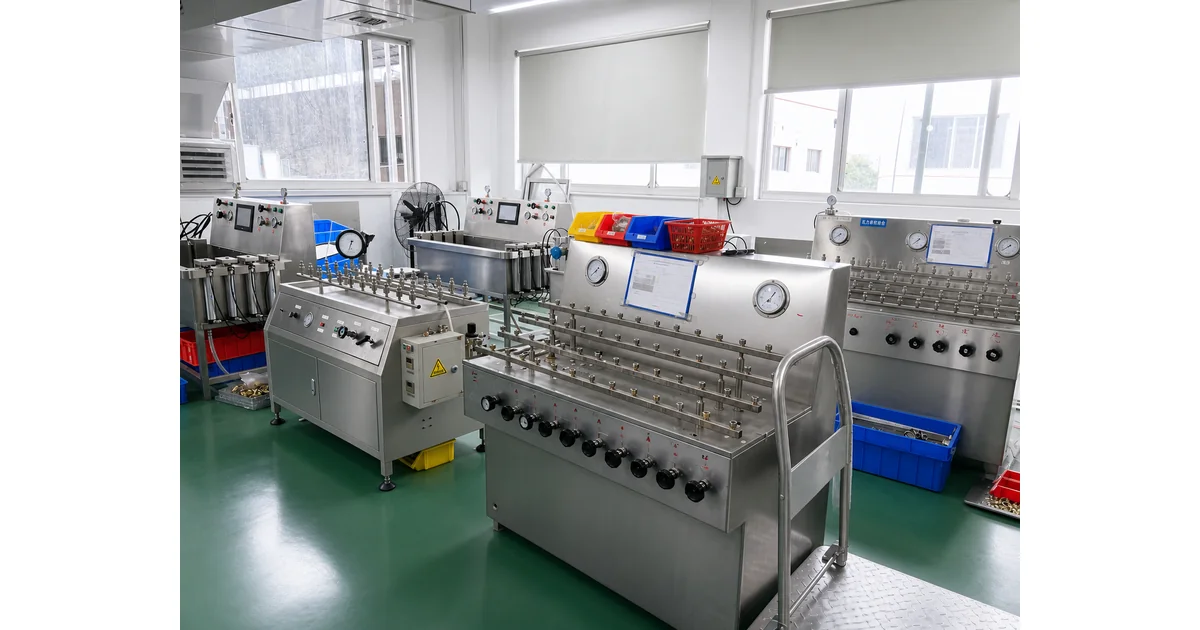
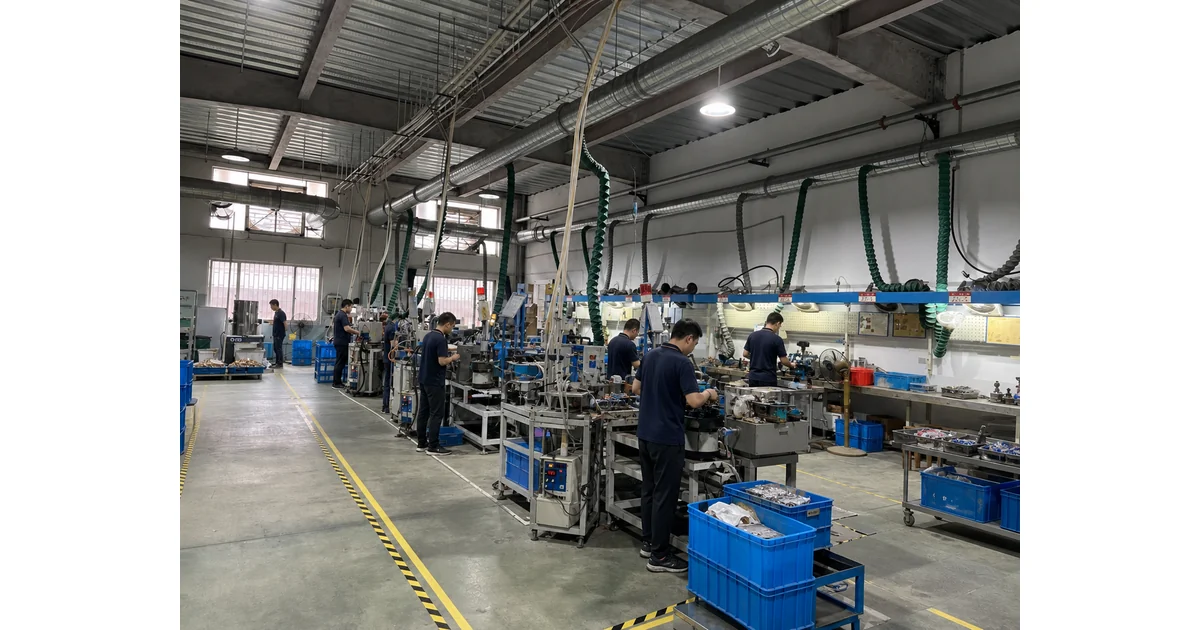
Manufacturing, assembly, inspection, custom dial, thread, and batch supply support for industrial instrument buyers.
View page →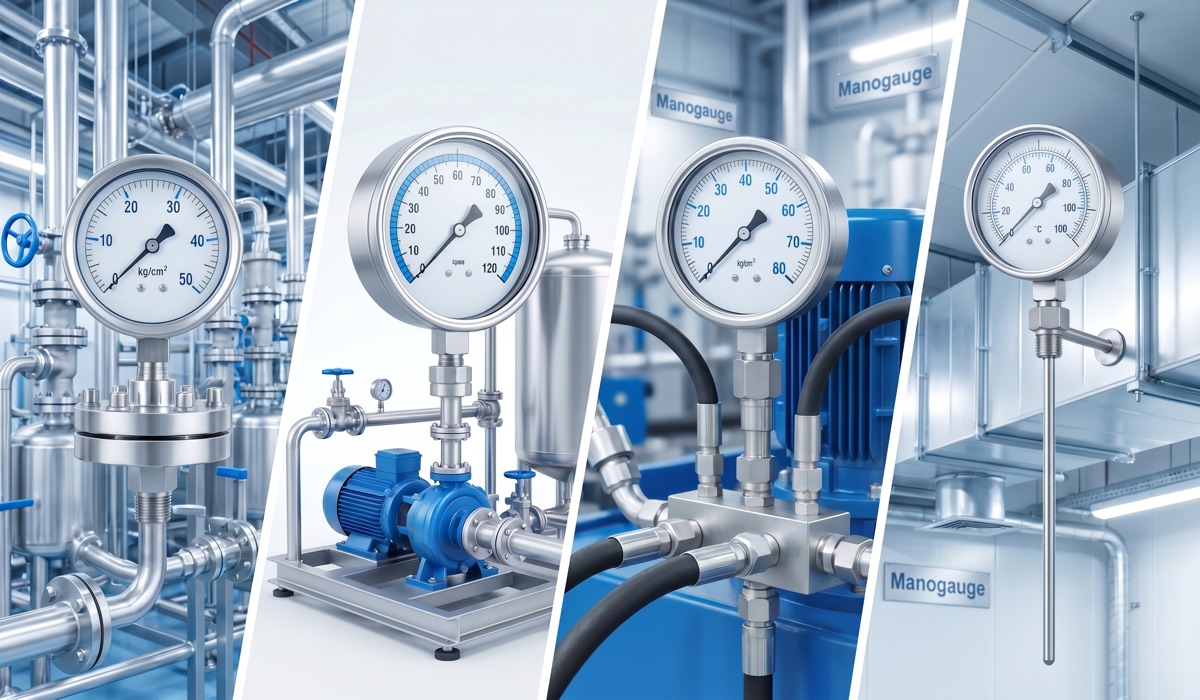
Match gauges and thermometers to petrochemical, water treatment, HVAC, food, medical, machinery, and marine scenarios.
View page →Prioritize selection comparisons, material compatibility, connections, accuracy, diaphragm, sanitary and thermometer topics. Each article should carry product links, FAQ, tables and RFQ CTA.
Buyer comparison for vibration, pulsation, ambient temperature, readability and maintenance cost.
NPT, BSPT, G/BSPP, metric and sealing method checks before purchase.
Corrosive, viscous, sanitary-adjacent and clogging media selection paths.
Temperature range, stem length, dial direction, thermowell and mounting checks.
Route product and industry ad groups to matching pages; add negatives such as automotive, DIY and cheap gauge to reduce low-quality spend.
Use for manufacturer, 316L, corrosion-resistant and washdown pressure gauge terms.
Use for diaphragm pressure gauge, diaphragm seal, corrosive and viscous media terms.
Send sanitary, CIP/SIP, dairy, beverage and tri-clamp pressure gauge traffic here.
Use for chilled water, cooling tower, refrigeration and building service terms.